I’d Rather Be Playing Pickleball Retro
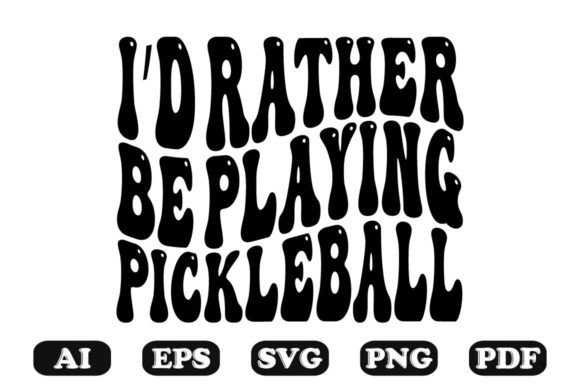
As an embroidery designer and product reviewer, I’ve seen my fair share of SVG designs that promise a lot but deliver little. I’d Rather Be Playing Pickleball Retro is one that stands out for its nostalgic vibe and retro wavy aesthetic. It’s the kind of design that immediately evokes a sense of fun and casual cool, perfect for those who love the sport or simply appreciate a playful message.
First Impressions: A Nostalgic Visual Statement
The first thing you notice about I’d Rather Be Playing Pickleball Retro is its visual personality. The wavy layout, vintage typography, and retro color palette give it a timeless feel that feels both modern and classic. It’s not overly complicated, but the balance between negative space and design elements makes it visually engaging. This design would naturally fit into custom apparel, especially t-shirts, sweatshirts, and tote bags. Its clean lines make it easy to adapt to different fabric types and embroidery techniques.
The theme is lighthearted and relatable, which is a big plus for small business owners and Etsy sellers looking to create products that resonate with a specific audience. It’s the kind of design that could easily become a staple in a craft shop or a popular item during pickleball-themed events or seasonal promotions.
Real-World Embroidery Performance
When it comes to actual embroidery work, I’d Rather Be Playing Pickleball Retro holds up well in most standard applications. It works great on flat surfaces like t-shirts, sweatshirts, and tote bags. The design’s simplicity helps maintain clarity, even at smaller sizes. However, there are some considerations when using it on more challenging materials.
For example, if you're planning to use this on a baby onesie or a delicate garment, you’ll want to pay attention to stitch density and stabilizer use. Thin or stretchy fabrics can cause distortion if not properly supported. Similarly, on dark fabrics, the design may require a contrasting thread color to ensure visibility and impact.
This design also works well as an embroidered patch or applique. Its wavy shape allows for creative placement on caps, jackets, or even pillow covers. But keep in mind that intricate corners or tight curves might need careful stitching to avoid puckering or uneven results.
Where to Use It Carefully
While I’d Rather Be Playing Pickleball Retro is versatile, there are a few areas where caution is advised. Small hoop sizes can be a challenge, especially if the design is larger than the hoop allows. In such cases, you may need to split the design or adjust the size accordingly.
Textured fabrics like denim or canvas can affect the overall look, so testing on scrap fabric is always a good idea. If you're working with a layered garment or a curved surface like a cap, you’ll need to ensure the design is properly adjusted for the curve and that the hoop size accommodates the shape.
Also, if you're planning to use this on a product that will be washed frequently—like a kitchen towel or a baby onesie—you should check the durability of the stitches and consider using a stronger stabilizer to prevent fading or wear over time.
Impact on Visual Appeal and Customer Perception
One of the strengths of I’d Rather Be Playing Pickleball Retro is how it enhances the visual appeal of any project it’s used on. Its retro style adds character and uniqueness, making it stand out in a crowded market. For handmade products, this design can elevate the perceived value, especially when paired with high-quality materials and professional finishing.
Customers often respond positively to personalized gifts and custom apparel that reflect their interests. This design has the potential to create a strong emotional connection, especially among pickleball enthusiasts. It’s also a great choice for holiday or wedding gifts, where a fun and memorable message can make all the difference.
From a branding perspective, I’d Rather Be Playing Pickleball Retro can help reinforce a consistent aesthetic across your product line. Whether you’re selling on Etsy, at a craft fair, or running a small shop, this design offers a reliable and recognizable asset that aligns with a fun, approachable brand image.
Practical Designer Notes
Before finalizing any project with I’d Rather Be Playing Pickleball Retro, here are a few practical steps to take:
- Test on scrap fabric: Always test the design on the actual material you plan to use. This helps identify any issues with stitch density, thread color contrast, or fabric behavior.
- Check thread colors: Ensure the chosen thread color complements the fabric and maintains the intended visual effect.
- Review stitch density: Adjust the density if needed to prevent puckering or excessive thread usage, especially on thin or stretchy materials.
- Confirm hoop size: Make sure the design fits within your hoop size or plan for splitting the design if necessary.
- Inspect small details: Pay attention to tiny lettering or intricate parts of the design to ensure they come out clearly after stitching.
- Test black and white mockups: Sometimes, the design looks better in monochrome, so checking it in different color schemes can help you decide the best presentation.
- Compare light and dark backgrounds: The design may need adjustments depending on whether it's placed on a light or dark fabric.
- Use proper stabilizer: Stabilizers are essential for maintaining the integrity of the design, especially on delicate or stretchy fabrics.
- Verify licensing: Confirm that the design is suitable for both personal and commercial use, and ensure you have the right to sell finished items or digital products.
Final Thoughts
I’d Rather Be Playing Pickleball Retro is a solid choice for embroidery designers and crafters looking for a retro, wavy design that’s both functional and stylish. It brings a unique energy to any project, whether it’s a custom tote bag, a personalized gift, or a small business product. With the right preparation and attention to detail, this design can become a valuable addition to your collection of machine embroidery files.
As with any design, it’s important to understand its limitations and strengths before committing to a project. By taking the time to test and refine your approach, you’ll ensure that the final product meets both your standards and your customers’ expectations.