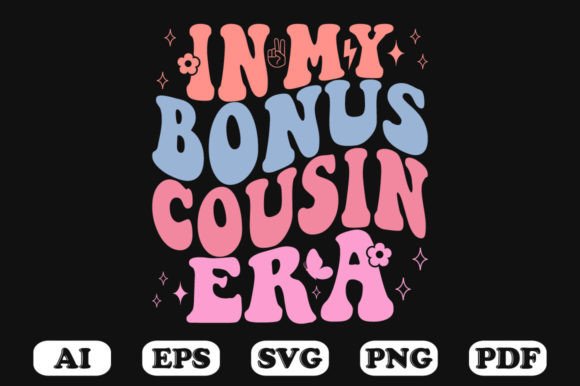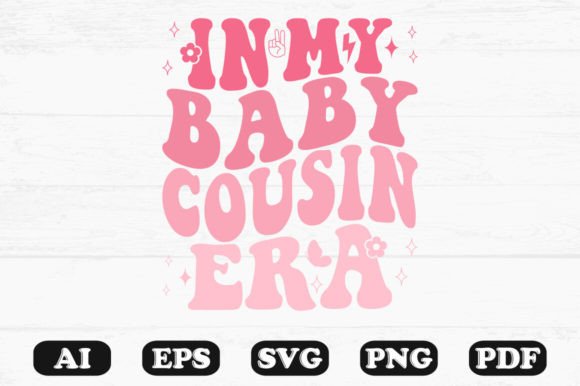
In My Baby Cousin Era Retro Wavy Svg
As a designer and embroidery product reviewer, I’ve seen my fair share of SVGs that promise a lot but deliver little. In My Baby Cousin Era Retro Wavy Svg is one that caught my eye for its nostalgic vibe and potential in various embroidery projects. Let’s break down what this design offers and how it holds up in real-world use.
First Impressions: A Nostalgic Visual Statement
The first thing that stands out about In My Baby Cousin Era Retro Wavy Svg is its retro wavy aesthetic. The design has a soft, flowing curve that evokes a bygone era of typography and graphic design. It feels like something you’d find on a vintage T-shirt or a classic poster. The layout is clean, with a strong visual personality that makes it instantly recognizable.
This design would naturally fit into projects that lean into nostalgia—think custom apparel, baby items, or personalized gifts. Its shape and theme suggest a playful yet elegant approach to embroidery, making it versatile enough for both casual and more refined applications.
Real-World Embroidery Performance
When considering In My Baby Cousin Era Retro Wavy Svg for real embroidery work, the design’s performance depends heavily on how it’s adapted. For instance, if I were working on a custom embroidered tote bag, the wavy lines would need to be adjusted for stitch density and stability. Too much detail in tight areas could lead to puckering or distortion, especially on thin or stretchy fabrics.
For sweatshirts or t-shirts, the design would look great as a center piece, but care must be taken with the stitch type. Satin stitches might work well for the main shapes, while fill stitches could add depth without overwhelming the fabric. Running stitches might be useful for outlining the wavy elements, giving them a handcrafted feel.
If I were creating an embroidered patch or apron, the design would need to be scaled appropriately. The wave pattern isn’t overly complex, but its curves could become challenging when working with small hoop sizes. Testing on scrap fabric is always a good idea to ensure the design translates well to different materials.
Where to Use With Caution
In My Baby Cousin Era Retro Wavy Svg works best on flat, stable surfaces. However, there are certain situations where it might not perform as expected. For example, on textured fabrics or dark backgrounds, the design could lose some of its clarity. Thread color contrast becomes critical here—using a bold color against a dark fabric might make the design pop, but a muted tone could get lost.
On thin or stretchy fabrics, the design may require additional stabilizer to prevent shifting during stitching. This is especially important for baby clothes or items that will see frequent washing. If the design is too dense in certain areas, it could cause the fabric to pucker or the stitches to break over time.
Curved surfaces like caps or hats can also be tricky. The wavy lines might not follow the contour as smoothly as intended, leading to a less polished finish. In such cases, simplifying the design or adjusting the curves might be necessary.
Impact on Visual Appeal and Product Value
In My Baby Cousin Era Retro Wavy Svg has a strong visual appeal that can elevate any handmade product. Its retro style adds character and uniqueness, which can be a big selling point for Etsy sellers or small shop owners. Customers often gravitate toward designs that have a story or a sense of nostalgia, and this SVG delivers that.
From a practical standpoint, the design enhances the value of the finished product. A well-executed embroidery project using this design can command a higher price, especially if it’s used in personalized gifts or boutique merchandise. It also helps build brand consistency, as the retro aesthetic can align with a specific brand identity.
However, the success of the design also depends on how it’s presented. Using proper mockups, clear images, and thoughtful descriptions can make a big difference in customer engagement. A poorly executed design, no matter how stylish, won’t resonate with buyers.
Practical Designer Notes
Before jumping into any embroidery project with In My Baby Cousin Era Retro Wavy Svg, I recommend testing it on scrap fabric. This allows you to see how the design looks in real life and make adjustments if needed. Pay attention to the stitch density—too much could cause issues, while too little might leave the design looking sparse.
Checking thread color contrast is another key step. What looks good on a white background might not translate well to a darker fabric. Also, review the hoop size required for the design. If it’s too large, consider breaking it into smaller sections or adjusting the layout.
Inspecting small details like lettering or corners is essential. Even minor imperfections can affect the overall look of the finished product. Testing the design in black and white mockups can help identify any issues before moving forward.
Finally, make sure the design is suitable for both personal and commercial use. Confirming licensing terms is crucial, especially if you plan to sell finished items or digital products. Always read the fine print to avoid any legal complications down the line.
Conclusion: A Versatile Design with Nostalgic Charm
In My Baby Cousin Era Retro Wavy Svg is a design that brings a touch of nostalgia to modern embroidery projects. Its clean lines and retro wavy style make it ideal for custom apparel, baby items, and personalized gifts. While it performs well in many scenarios, it requires careful consideration when working with certain fabrics, hoop sizes, and stitch types.
For designers, crafters, and small business owners, this SVG offers a unique opportunity to create visually appealing and emotionally resonant products. With proper planning and execution, it can become a valuable addition to any embroidery portfolio or product lineup.