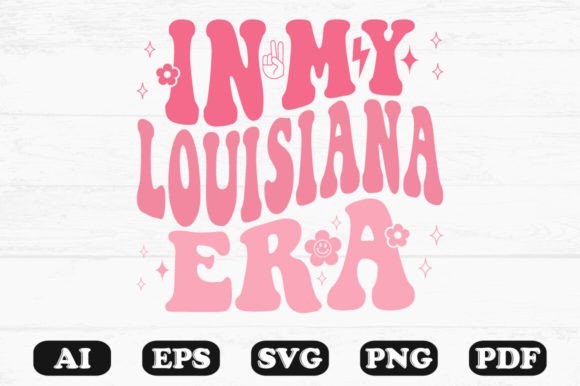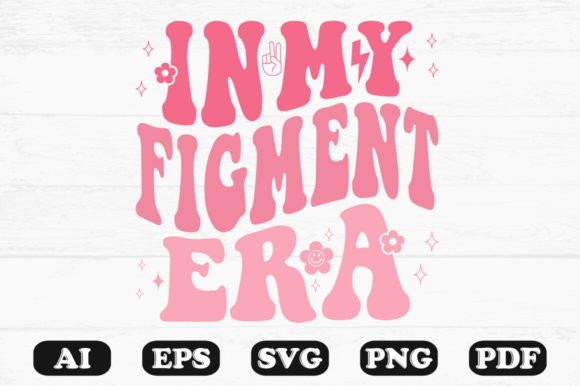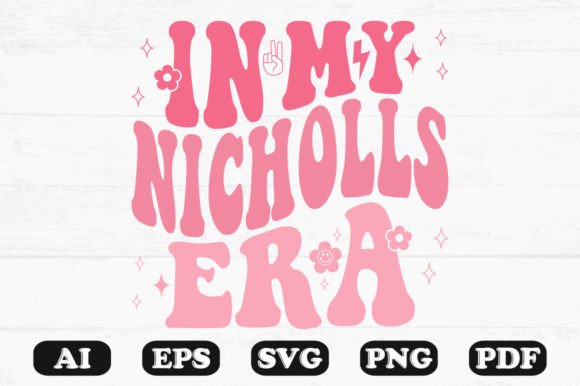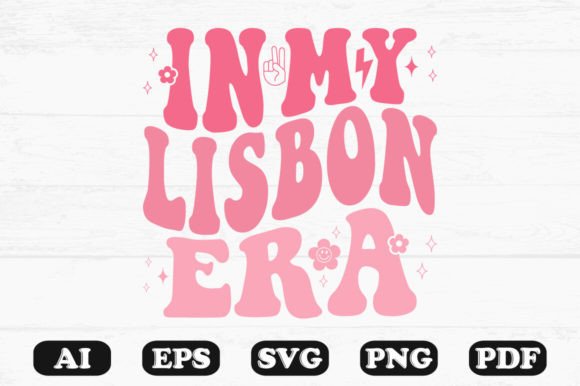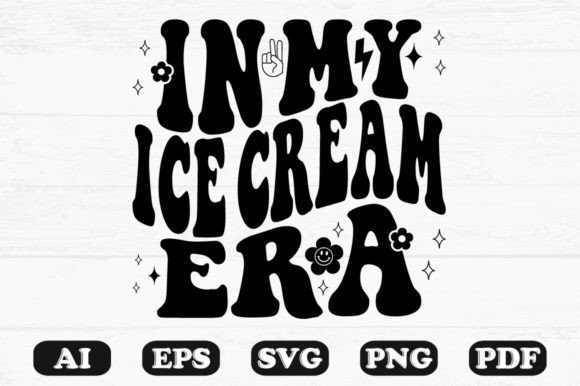
In My Ice Cream Era Retro Wavy Svg T-shi
As a designer and embroidery product reviewer, I’ve seen my fair share of digital files that promise a lot but deliver little. In My Ice Cream Era Retro Wavy Svg T-shi is one that caught my attention for its nostalgic vibe and clean retro aesthetic. But before I dive into how it performs in real-world embroidery projects, let me walk through what the design offers at first glance.
The First Impression: A Nostalgic Visual Statement
From the moment I opened the SVG file, the design exuded a sense of playful nostalgia. The wavy lines, soft curves, and vintage typography immediately brought to mind 70s and 80s graphic design—think retro posters, old record covers, and classic soda cans. The layout is balanced, with enough visual interest to stand out without feeling cluttered. It’s the kind of design that feels like it belongs on a custom t-shirt, a handmade tote bag, or even a baby onesie with a touch of whimsy.
The detail level is moderate, which makes it versatile for different embroidery applications. It doesn’t have intricate patterns that might be hard to stitch on small hoops or thin fabrics, but it still has enough character to make a statement. The retro wavy effect gives it a unique texture that can be enhanced with different stitching techniques, like satin stitch or fill stitch.
Real-World Embroidery Use Cases
When considering where In My Ice Cream Era Retro Wavy Svg T-shi fits best, it’s clear that this design thrives on larger, flat surfaces. A custom sweatshirt, a tote bag, or an apron would be ideal. It also works well as an embroidered patch or a decorative element on a pillow cover. The design’s shape and structure make it suitable for both personal and commercial use, especially for small business owners looking to add a retro flair to their product line.
For Etsy sellers or crafters, this could be a great addition to a seasonal collection—think summer-themed apparel, holiday gifts, or personalized items for special occasions. Its simplicity allows for easy customization, whether you’re adding a name, a date, or a short phrase to make it more personal.
But it’s not without limitations. If you’re planning to use it on a cap or a curved surface, you’ll need to adjust the design slightly to accommodate the shape. Similarly, if you’re working with dark fabric, the contrast might not be as strong unless you choose a bold thread color.
Where to Be Careful: Design Limitations and Considerations
One thing to note is that In My Ice Cream Era Retro Wavy Svg T-shi may not perform as well on small hoop sizes. If you’re working with a compact machine, you might find that the design requires multiple hooping sessions, which can be time-consuming. For this reason, it’s best suited for larger embroidery machines or when using a single large hoop.
Another consideration is fabric type. On textured or stretchy materials, the design might not sit as smoothly. You’ll want to test it on a scrap piece of fabric before committing to a full project. Thin or delicate fabrics might also require additional stabilizer to prevent puckering or distortion during stitching.
Small details, like the tiny lettering or the edges of the wavy lines, could be tricky to execute perfectly. If you're aiming for a high-quality finished product, it's worth double-checking these areas to ensure they look crisp and clean after embroidery.
Impact on Visual Appeal and Customer Perception
When it comes to visual appeal, In My Ice Cream Era Retro Wavy Svg T-shi has a strong presence. Its retro style is instantly recognizable, and the design’s simplicity makes it easy to pair with other elements. Whether you're creating a standalone piece or combining it with other graphics, it adds a cohesive, vintage feel that can elevate your brand’s aesthetic.
From a customer perspective, this design is likely to resonate with those who appreciate nostalgia and retro aesthetics. It’s perfect for personalized gifts, handmade products, or boutique merchandise that needs a unique touch. The design also has good potential for repeat sales, especially if you offer variations like different colors or sizes.
For small business owners, this design can help build brand consistency. Using it across different products—like t-shirts, tote bags, and aprons—creates a unified look that customers will recognize. It also helps in creating printable mockups that showcase your products effectively in online listings.
Practical Designer Notes: Testing and Preparation
Before using any embroidery file, I always recommend testing it on a scrap piece of fabric. This helps you see how the design looks in real life and identify any issues with stitch density, thread color, or fabric compatibility. For In My Ice Cream Era Retro Wavy Svg T-shi, I’d suggest testing it on both light and dark backgrounds to ensure it stands out as intended.
Check the stitch density to make sure it’s appropriate for your project. If the design is too dense, it might cause the fabric to pucker or the threads to break. Conversely, if it’s too sparse, the design might not hold up well over time or under frequent washing.
Also, confirm that the design works for both personal and commercial use. While the product description mentions it’s a digital file, it’s important to verify the licensing terms before selling finished items or digital products. Some designs may have restrictions that limit their use in certain contexts.
Final Thoughts: A Versatile Design with Nostalgic Charm
In My Ice Cream Era Retro Wavy Svg T-shi is a design that brings a fresh, nostalgic energy to any embroidery project. Its clean lines, retro feel, and versatility make it a solid choice for small business owners, crafters, and designers looking to add a vintage touch to their work. While it has some limitations in specific applications, it’s generally well-suited for a wide range of uses—from custom apparel to personalized gifts.
If you’re looking for a design that balances style with practicality, this one is worth considering. Just remember to test it thoroughly, check the details, and make sure it aligns with your project goals and customer expectations.