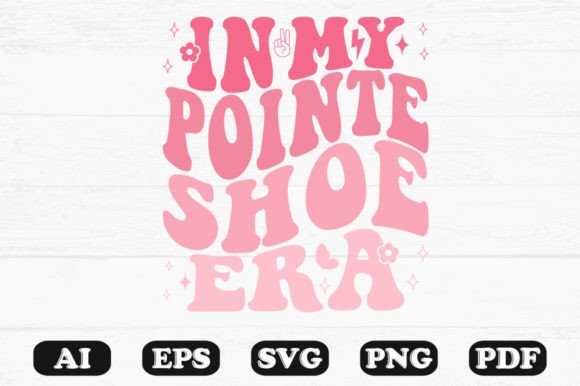
In My Pointe Shoe Era Retro Wavy Svg
As a designer with years of experience in embroidery and digital graphics, I’ve seen countless designs come and go. But when I first laid eyes on In My Pointe Shoe Era Retro Wavy Svg, I knew it had a unique vibe that could translate well into real-world projects. The retro wavy aesthetic, paired with the vintage typography, feels nostalgic yet modern. It’s the kind of design that could work across a range of mediums, from custom apparel to personalized gifts.
The First Impression: A Design That Speaks Volumes
From the moment I opened the SVG file, I was struck by the balance between simplicity and character. The wavy lines are fluid, almost like they’re flowing with a sense of motion. The typography is clean but has enough personality to stand out without being overwhelming. It’s the kind of design that doesn’t need much embellishment—it just looks good on its own.
The layout is well-structured, making it easy to scale for different sizes. Whether it’s a small patch or a large tote bag, the design maintains its integrity. The level of detail is just right—enough to make it visually interesting, but not so intricate that it becomes a challenge to stitch.
Real-World Embroidery Applications
In My Pointe Shoe Era Retro Wavy Svg has a natural fit for custom apparel. I can see it working beautifully on sweatshirts, t-shirts, and even tote bags. Its retro feel makes it ideal for boutique products, handmade shop items, and Etsy listings. It’s also a great choice for holiday or seasonal embroidery, especially if you're targeting a vintage-inspired audience.
For baby items, the design’s soft curves and gentle typography make it a safe and appealing choice. It could be used on onesies, blankets, or nursery decor. On caps or hats, the wavy shape adds a subtle flair without clashing with the curved surface.
When it comes to patches, this design could be a standout piece. The combination of the wavy lines and the text gives it a distinctive look that would catch the eye on jackets, backpacks, or even as a decorative element on a craft business’s branding.
Where to Be Cautious
While In My Pointe Shoe Era Retro Wavy Svg is versatile, there are some situations where it might not perform as well. If you're working with small hoop sizes, the design’s size and shape could be challenging. Similarly, on textured fabrics or thin materials, the stitching might not hold up as well as it would on a smooth, sturdy base.
On dark fabrics, the design might not show up as clearly unless you use contrasting thread colors. For stretchy or delicate fabrics, extra care is needed to prevent distortion. If you're planning to use it on layered garments or curved surfaces, test it first to ensure the stitches lay flat and don’t pucker.
Details like tiny lettering or dense stitch areas could be problematic if not handled properly. Always check the design’s complexity before committing to a project, especially if you’re working on something that will be washed frequently.
Impact on Visual Appeal and Customer Perception
This design has the potential to elevate the visual appeal of any finished product. Its retro wavy style is instantly recognizable, which can help with brand consistency and customer recognition. When used on handmade products or personalized gifts, it adds a touch of professionalism that customers appreciate.
For small shop owners and Etsy sellers, In My Pointe Shoe Era Retro Wavy Svg could be a valuable addition to your design assets. It’s suitable for both personal and commercial use, provided the licensing terms allow it. The design’s clarity and simplicity make it easy to adapt for different applications, whether you're creating printable mockups or preparing digital embroidery files for sale.
It also enhances the giftability of a product. A custom embroidered item with this design feels more thoughtful and unique, which can increase buyer engagement and satisfaction.
Practical Designer Notes
Before using In My Pointe Shoe Era Retro Wavy Svg in any project, I recommend testing it on scrap fabric. This will help you gauge how the stitches look on different materials and identify any issues early on. Check the thread color contrast, especially if you’re using it on dark backgrounds.
Review the stitch density to make sure it’s appropriate for your project. If the design is too dense, it might cause puckering or damage to the fabric. Confirm the hoop size required for the design, and always use the right stabilizer to keep everything in place during stitching.
Inspect the small details carefully, and consider how the design will look in black and white mockups. This can help you visualize it better before committing to a final product. Also, compare it against both light and dark fabric backgrounds to ensure it stands out as intended.
If you’re planning to sell finished items or digital products, double-check the licensing terms. Make sure the design is suitable for commercial use and that you have the rights to distribute it as needed.